
11 actionable energy-saving tips for eco-conscious homeowners
Smart ways to lower your bills, reduce your footprint and future-proof your home.
If you’re reading this, you’re already thinking greener, and that’s a brilliant start. Whether your goal is to shrink energy bills, live more sustainably, or make your home fit for the future, improving energy efficiency is one of the smartest investments you can make.
At Prestantia Eco, we help homeowners across Worcestershire, Warwickshire and the Midlands make the transition to low-carbon heating and smarter energy use. Along the way, we’ve learned which changes make the biggest difference both environmentally and financially.
Below you’ll find 11 practical, actionable energy-saving tips that you can start implementing right now, from quick wins to long-term home upgrades.
1: Start with a Home Heat Loss Survey
Before changing anything, it pays to understand where your home loses energy.
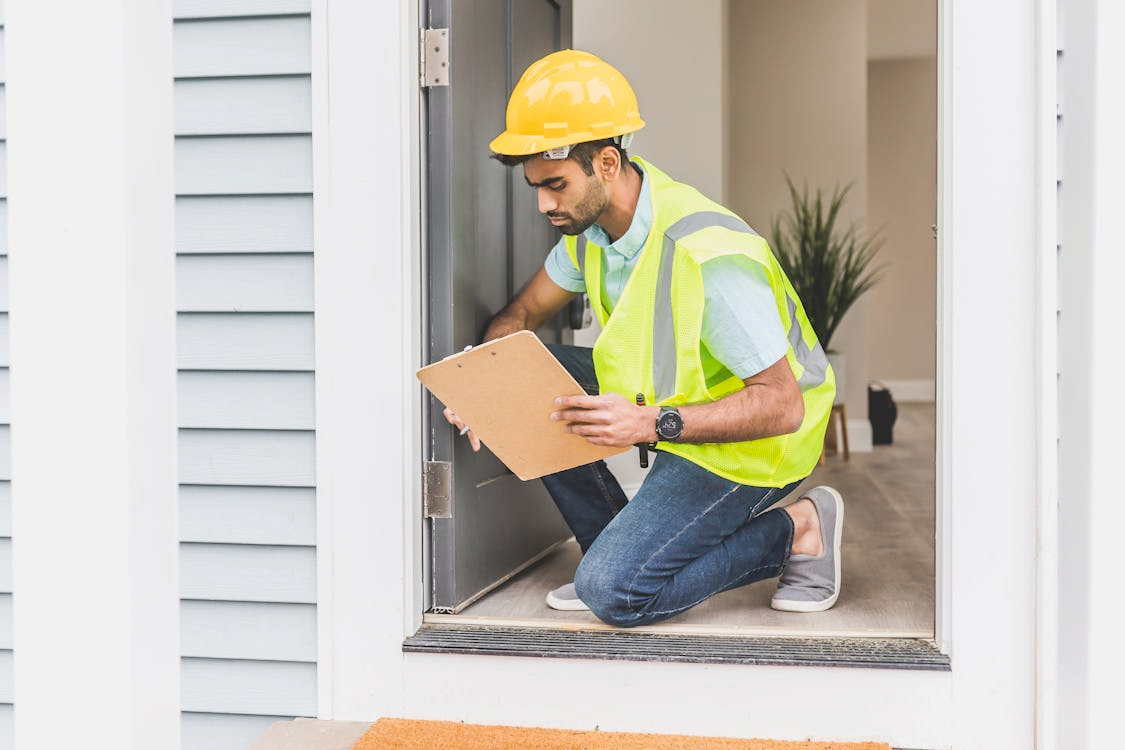
A professional Home Heat Loss Survey (sometimes called a whole-house energy survey) determines how much heat your property loses through walls, windows, floors, and the roof. This is essential for selecting the right size heat pump or boiler to ensure efficient and cost-effective heating. The calculation considers insulation levels, building materials, and air leakage to provide an accurate assessment of your home’s heating needs.
Contact us to discuss this service today. The cost of the survey includes a visual inspection, thermal imaging, insulation check and data analysis.
2: Insulate from top to bottom
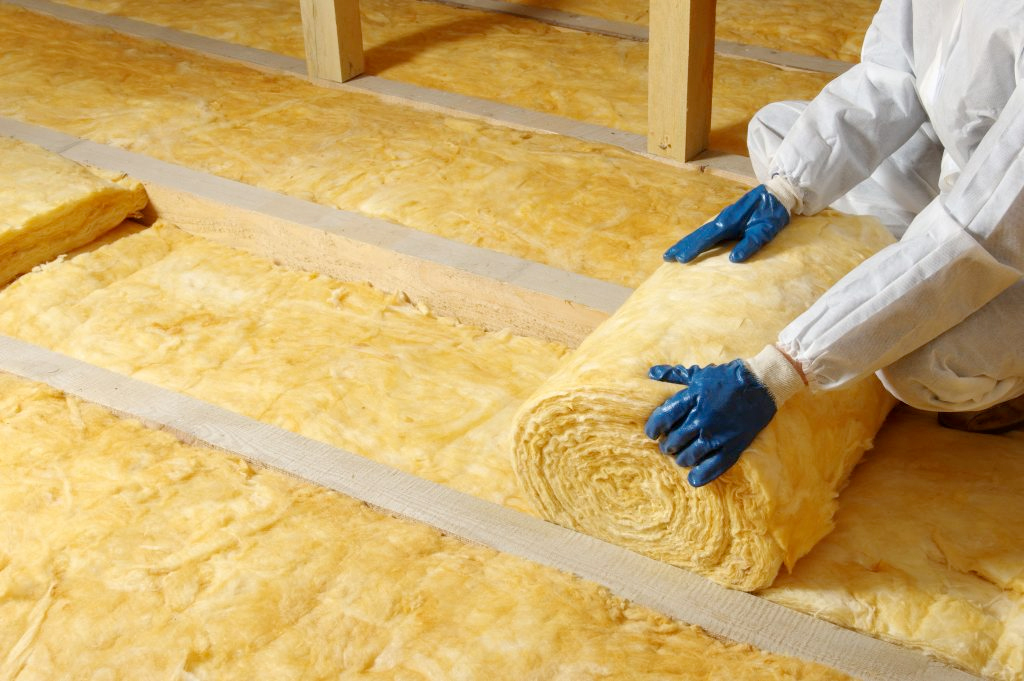
The most effective way to cut heating demand is to improve insulation. Around 25% of a home’s heat escapes through the roof, with another 35% through walls and floors.
Start here:
- Loft insulation: Aim for at least 270 mm of mineral wool or equivalent.
- Cavity wall insulation: Ideal for homes built after the 1920s with cavity walls.
- Solid wall insulation: More expensive, but transformative for older properties.
- Floor insulation: Particularly effective for suspended timber floors.
Don’t overlook pipe insulation and cylinder jackets – small initial costs, but big savings over time.
3: Draught-proof doors and windows
Even the best-insulated homes can leak warm air, especially through gaps around windows, doors, floorboards and chimneys.
Use draught-excluder strips, silicone sealants or brush seals to close gaps, and consider chimney balloons or caps for unused fireplaces.
Draught proofing can save up to £125 a year on energy bills according to the Energy Saving Trust, and it immediately improves comfort.
4: Upgrade to Smart Heating controls
Smart thermostats and zoned heating controls are simple but powerful energy savers. By tailoring heating to your daily routine (and only heating the rooms you use) you can reduce energy waste dramatically.
Top options such as Tado°, Hive and Nest allow:
- Room-by-room temperature control
- Geofencing (so the heating turns down when you leave home)
- Insights into your energy use and CO₂ footprint
Combine compatible smart controls with low-temperature systems like air source heat pumps for even greater efficiency.
5: Switch to LED lighting
Lighting typically accounts for 10-15% of household electricity use, yet many homes still use halogen or incandescent bulbs.
Switch every bulb in your home to LED. They use up to 80% less energy and last 10-20 times longer.
LED bulbs are available in warm or daylight tones, so you can save energy without compromising on your lighting preferences.


6: Optimise the efficiency of your appliances
Your appliances quietly consume a surprising amount of power, especially older models.
Here’s where you should focus:
- Choose A-rated appliances when replacing white goods.
- Use Eco settings on dishwashers and washing machines.
- Avoid standby mode, and switch off completely when not in use.
- Defrost your freezer regularly; ice build-up reduces efficiency.
- Air dry clothes when possible, rather than using a tumble dryer.
A smart plug or energy monitor can track usage and pinpoint energy-hungry devices.
7: Rethink hot water use
Water heating accounts for roughly 20% of home energy bills. It’s another example of a lifestyle hack where small changes can add up quickly:
- Install an aerated shower head to cut water flow without sacrificing pressure.
- Reduce boiler or cylinder temperature to around 60 °C (still hot enough to prevent Legionella bacteria).
- Fix dripping taps – a single tap can waste over 5,000 litres a year.
Consider fitting a hot water cylinder heat pump or integrating hot-water pre-heat systems with solar panels.
8: Make use of off-peak energy
If you’re on a time-of-use electricity tariff schedule high-consumption activities for off-peak hours.
For example:
- Run dishwashers, washing machines, or EV chargers overnight.
- Pre-heat your home during cheaper night rates if using a heat pump.
Smart home technology makes this effortless – just set automated schedules that sync with your tariff.
9: Generate your own renewable power
One of the most effective steps for long-term energy independence is to generate your own electricity.
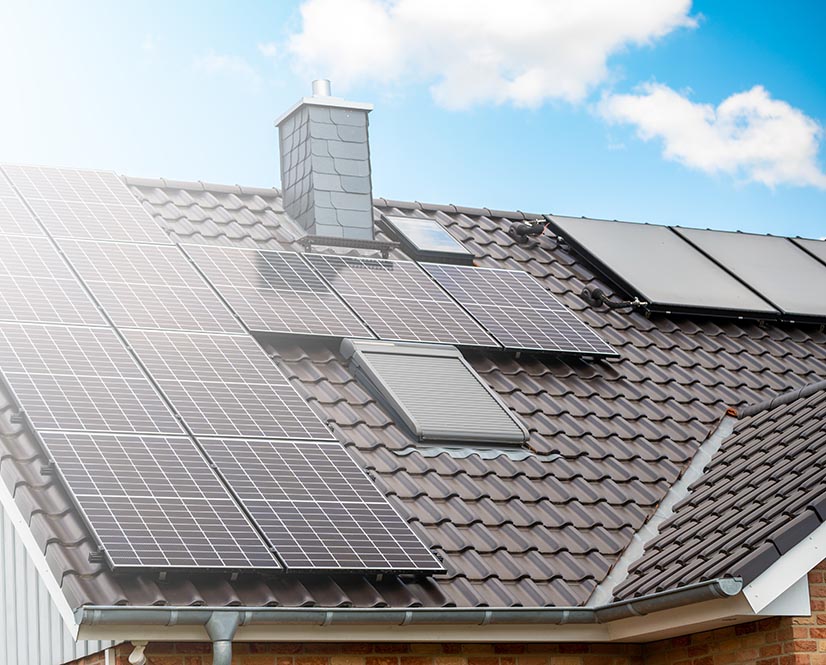
Solar PV systems have fallen sharply in price over the past decade and now offer payback periods as short as 6-10 years, especially when combined with battery storage.
Benefits include:
- Lower electricity bills
- Reduced reliance on the grid
- Lower carbon emissions
- Option to export excess energy back to the grid for income
Pair solar PV with a heat pump to use your self-generated power for heating and hot water – an increasingly popular ‘eco-stack’ for homeowners.

10: Upgrade to renewable heating
Traditional gas and oil boilers are among the largest sources of home emissions. Switching to renewable heating delivers significant carbon savings and long-term cost stability.
Options include:
- Air Source Heat Pumps (ASHPs): Extract warmth from the outside air to heat your home. Efficient, quiet and backed by the £7,500 Boiler Upgrade Scheme grant.
- Ground Source Heat Pumps: Use underground heat for exceptional efficiency (better suited to larger plots).
- Hybrid systems: Combine a heat pump with an existing boiler for flexibility.
Even if you’re not ready to install a heat pump today, make your home “heat-pump ready” – insulate well, size radiators appropriately and make plans for electrical upgrades.
11: Monitor, measure, maintain
Finally, the best way to keep energy use low is to stay aware.
Install an energy monitor or use your supplier’s smart meter to track real-time usage. Watch for unexpected spikes and compare monthly trends.
Schedule annual servicing for heating systems – a well-maintained heat pump, boiler, water cylinder or solar inverter operates at peak efficiency and lasts longer.
Regularly bleed radiators and balance your heating system. Trapped air makes radiators less effective and forces systems to run longer.

Small changes, big impact
Every household is different, but one thing applies across the board: energy saved is money saved.
A home that’s properly insulated, efficiently heated, and powered by renewables can cut its energy bills by 30-50% or more, depending on your starting point and property type.
Even small actions like LED bulbs and smart plugs make a noticeable difference when multiplied across an entire year. Combine them with structural upgrades like insulation or solar PV, and you create a home that’s cleaner, cheaper, and future-ready.
Ready to take the next step?
At Prestantia Eco, we specialise in helping homeowners plan and install renewable heating systems, from air source heat pumps to solar PV integration and whole-home energy strategies.
If you’d like to discover which energy-saving upgrades will deliver the best results for your property, get in touch with our friendly experts. We’ll provide:
A tailored home assessment
Transparent cost and savings forecasts
Guidance on available grants and finance options
Contact our team today to start your journey toward a cleaner, more efficient, and sustainable home.