
How smart eco heating systems improve comfort, control and efficiency during prolonged wet weather
Periods of prolonged wet weather are becoming increasingly common across the UK.
While the rain itself is an inconvenience, the real challenge often comes inside the home. Damp air, excess moisture and fluctuating temperatures can quickly lead to condensation, mould growth and an uncomfortable living environment.
Beyond simply heating the home, modern smart eco heating systems offer a far more intelligent solution giving you greater control, improved efficiency and a healthier indoor climate, even when the weather refuses to improve.
Smarter heating means lower energy bills, even in damp conditions
One of the biggest advantages of smart eco heating is its ability to reduce wasted energy.
Instead of heating your entire home constantly, smart systems use scheduling, zoning and learned behaviour to deliver heat only where and when it’s needed. That means no more heating empty rooms or running the system unnecessarily during mild, damp days.
During prolonged wet weather – when heating is often used more frequently – this targeted approach can make a noticeable difference to your energy bills without sacrificing comfort.
Better comfort with consistent, controlled temperatures
Wet weather often creates that familiar ‘cold and clammy’ feeling indoors. Traditional heating systems tend to be switched on and off in bursts, creating uneven temperatures that can actually make condensation worse.
Smart eco systems take a different approach. By maintaining steady, consistent warmth throughout the day, they help stabilise indoor conditions. You can also tailor temperatures to suit different times – cooler at night, warmer in the morning – ensuring comfort exactly when you need it.
The result is a home that feels consistently warm and dry, rather than fluctuating between cold and overheated.
Control every room with zoned heating
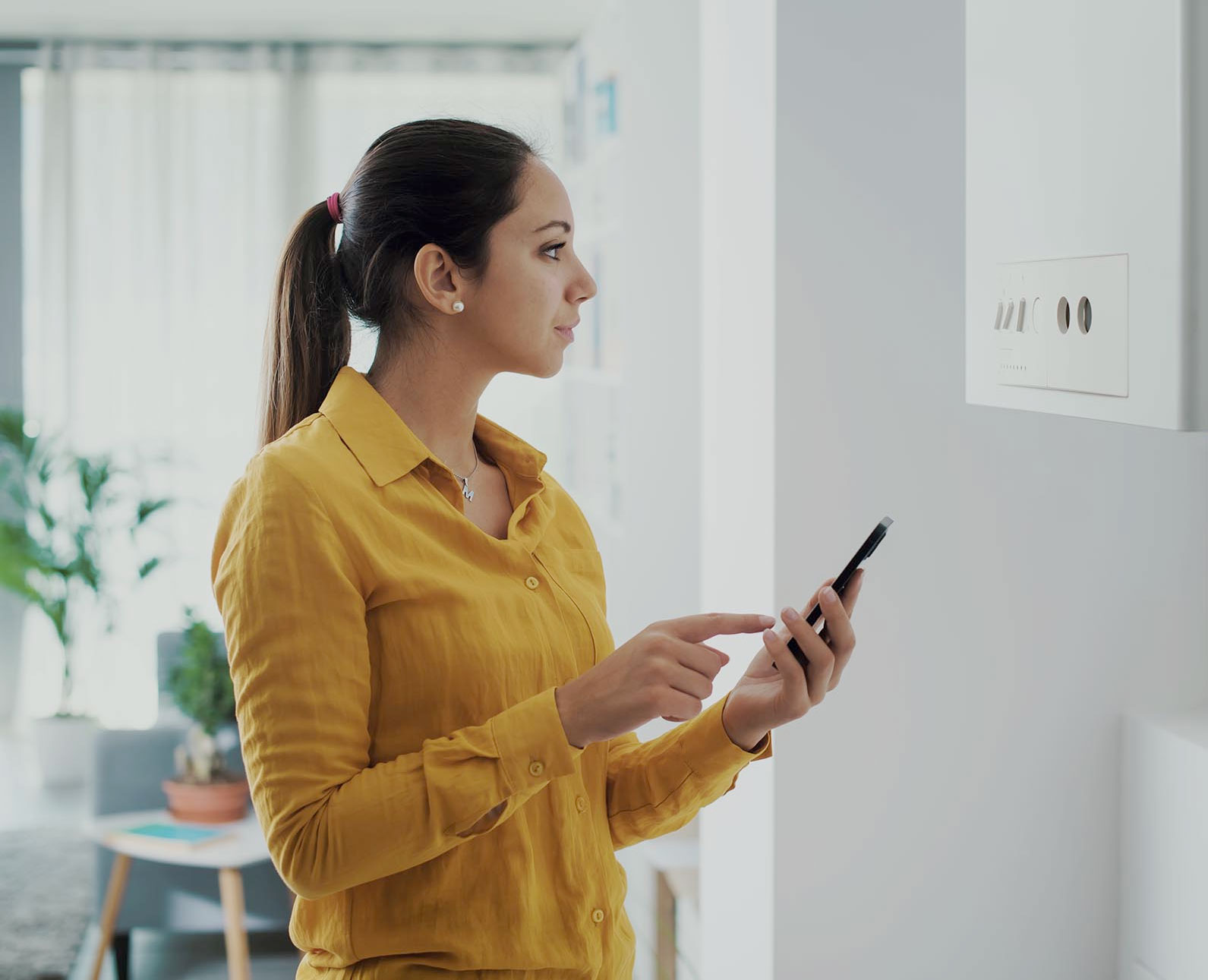
Not every room in your home needs the same level of heating. Smart systems allow zoned heating or smart radiator control, meaning you can heat specific areas independently. This gives you:
- Greater control over individual rooms
- The ability to prevent unused spaces becoming cold and damp
- More efficient energy use across the whole home
By avoiding unnecessary heating, you not only save energy but also reduce the risk of moisture building up in colder areas.
Remote access keeps you in control, wherever you are
British weather is unpredictable, and wet conditions can quickly bring a drop in temperature.
With smart heating connected to a mobile app, you can control your system remotely. Whether you’re at work or on the way home, you can adjust settings instantly, ensuring your home is warm and comfortable when you arrive.
This level of control is particularly useful during damp spells, when maintaining a consistent indoor environment helps reduce condensation and moisture issues.
Improved efficiency through steady operation
Traditional heating systems often rely on frequent on/off cycles, which can be inefficient and lead to temperature swings.
Eco heating systems – such as heat pumps or underfloor heating – are designed to run at lower, more consistent temperatures, improving overall efficiency. Smart controls enhance this further by optimising how and when heat is delivered.
This steady approach not only uses less energy but also helps maintain a more stable indoor climate, which is key to reducing damp and condensation during wet weather.
Greater awareness of your energy use
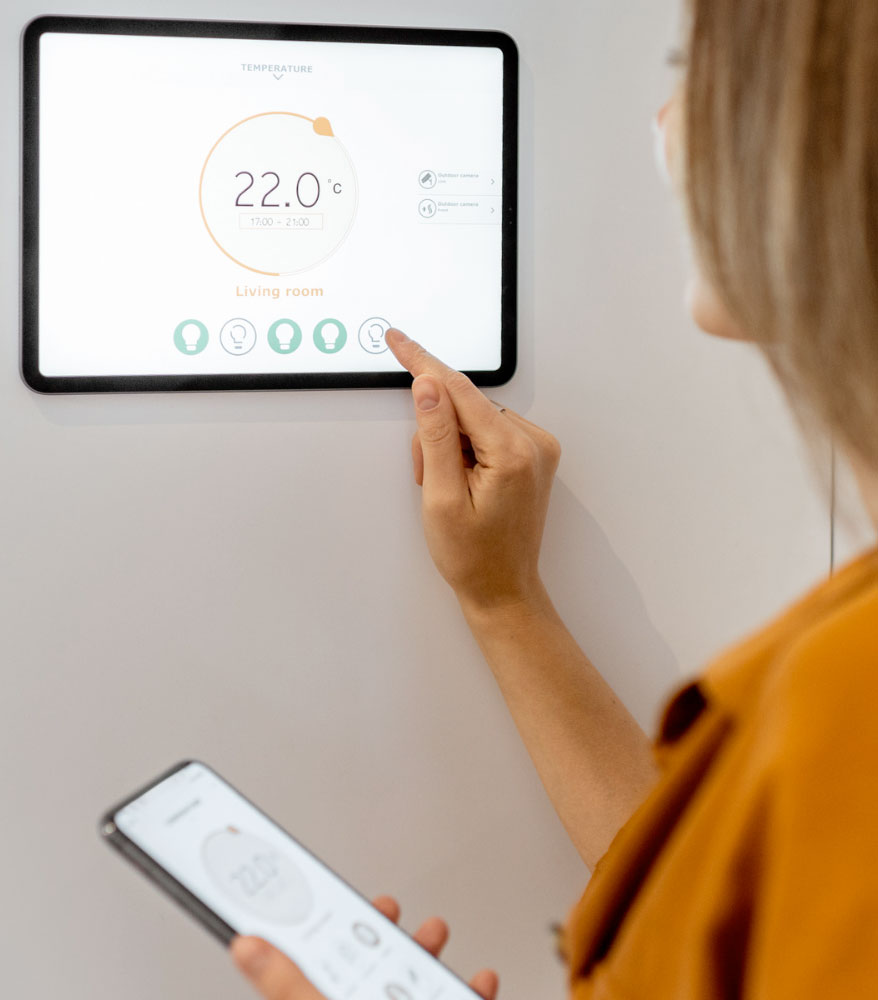
Another key benefit of smart heating is visibility. Many systems provide real-time insights into your energy usage, helping you understand how your home consumes heat. Over time, this encourages better energy habits, such as adjusting schedules or reducing unnecessary heating in unused spaces.
During periods of prolonged cold or wet weather – when energy usage can creep up – this awareness helps you stay in control of both comfort and cost.

Supporting lower carbon living
By reducing unnecessary heating and improving efficiency, smart eco systems naturally support lower carbon use.
Heating only the spaces you need, maintaining steady temperatures and avoiding waste all contribute to a more sustainable home. When paired with low-carbon technologies like heat pumps, the environmental benefits are even greater.
So, while you’re keeping your home warm and dry, you’re also reducing your overall environmental impact.
Convenience and automation that adapts to your lifestyle
Modern smart heating systems are designed to make life easier.
Many can learn your routine, automatically adjusting temperatures based on your daily habits. Some can even respond to external weather changes or integrate with voice assistants for hands-free control.
This level of automation means your home stays comfortable without constant manual adjustments – particularly useful during long stretches of poor weather when conditions can change quickly.
A smarter way to tackle damp and discomfort
Wet weather doesn’t just affect the outside world, it has a direct impact on how your home feels and performs.
Smart eco heating systems go beyond basic warmth. They combine efficiency, control, automation and intelligent temperature management to create a home that stays warm, dry and comfortable, without wasting energy.
As UK weather patterns continue to shift, investing in smarter heating isn’t just about comfort – it’s about creating a more efficient, responsive and future-ready home.