
Solar Thermal vs Solar PV: Which makes more sense for your home?
Most homeowners start thinking about renewables with solar PV. It’s well-known, highly visible and ideal for cutting electricity bills. Solar thermal, on the other hand, is quieter, less talked about, and designed specifically to produce hot water. But in the right home, it can deliver exceptional value, sometimes more than PV.
To help you decide which technology deserves priority, here’s our comparison of what each system does, where each performs best and, most importantly, where solar thermal gives you the strongest return.
How they work
Solar PV
- Generates electricity from sunlight
- Powers appliances, EV chargers, heating systems, and home tech
- Works best when paired with a battery
Solar Thermal
- Uses sunlight to heat water
- Connects to your hot water cylinder or thermal store
- Can cover a significant share of your annual hot water needs
Hot water quietly makes up 20–30% of the average home’s energy bill. If you want to cut that cost directly, solar thermal targets it with impressive efficiency.
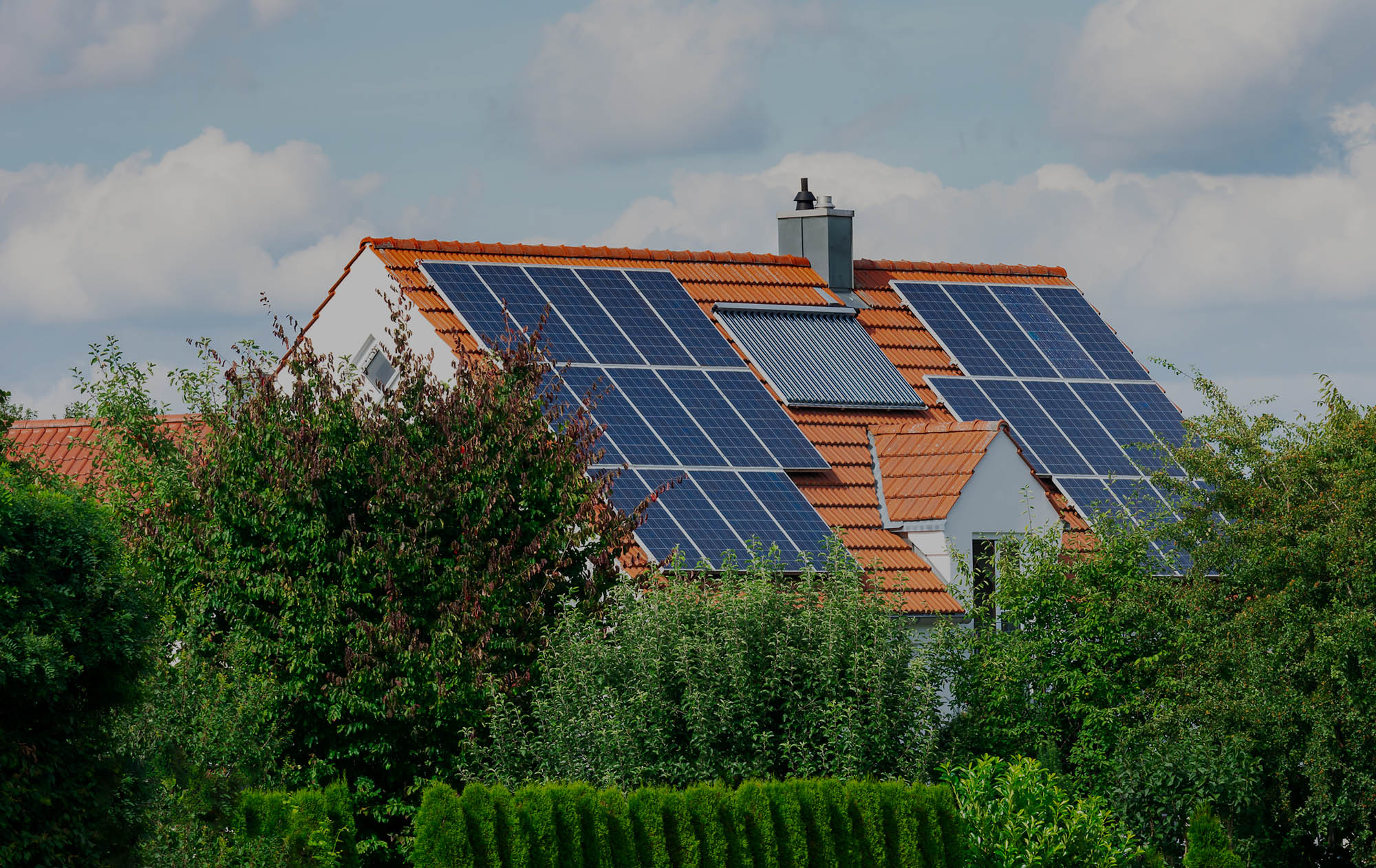
Efficiency: Solar Thermal has the edge
Solar PV is improving every year, but its real-world efficiency remains around 18–22%. Solar thermal, by comparison, typically achieves 60–80%.
This difference is important. If your priority is capturing the maximum usable energy from the smallest possible roof area, solar thermal is one of the most efficient technologies available to UK households. Evacuated tube systems also perform reliably in cold, bright conditions, making them a good year-round solution.
Roof space: A practical advantage for solar thermal
Roof area is often a limiting factor for homeowners. You may not have space for a full PV array, or your roof may be split into multiple planes with different orientations.
Typical roof space requirements:
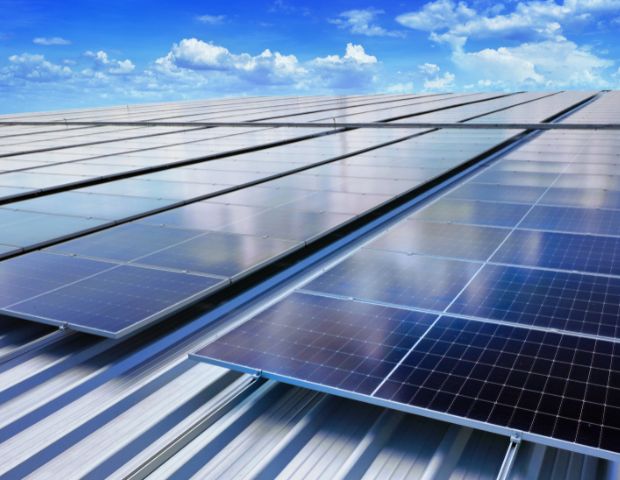
- Solar PV: 10–20 m² for a modest domestic system
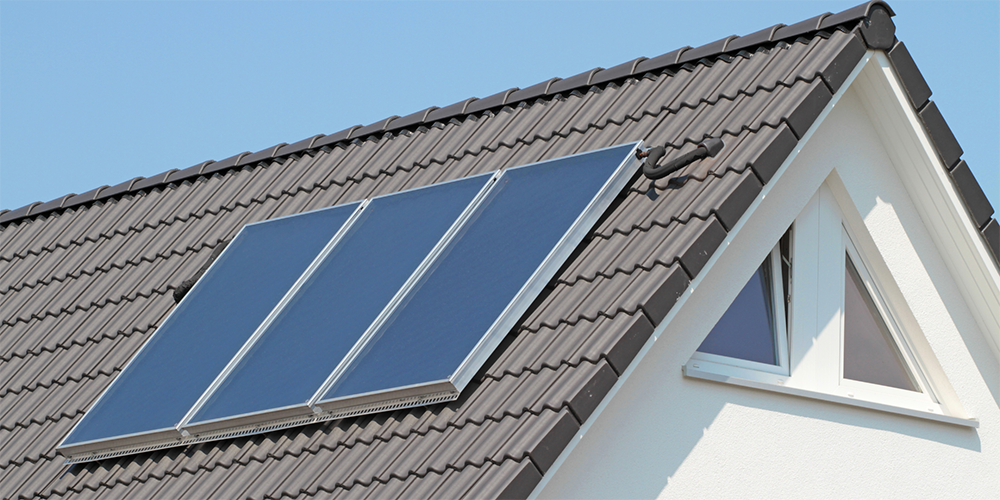
- Solar Thermal: 2–4 m² for strong performance
If roof area is tight or partially shaded, solar thermal often offers better savings per square metre. A small, efficient thermal collector can deliver major hot water reductions without dominating your roofline.
Which one saves you more?
It depends on the fuel you use and where your energy demand sits.
Solar PV offers the best savings when:
- You use a lot of daytime electricity
- You have (or plan to have) an EV
- You want to maximise self-consumption with a battery
- Your whole-home electrification strategy is underway
Solar Thermal offers the best savings when:
- You have high hot water usage
- You heat water with gas, oil, LPG or electricity
- You already have a cylinder or thermal store
- You want predictable savings without major system changes
If you currently heat water with oil, LPG or direct electric, solar thermal can deliver faster payback than PV – simply because these fuels are expensive to replace.

A strong partner for Heat Pumps
This is where solar thermal becomes especially compelling.
Heat pumps are efficient, but hot water production is one of the areas where they work hardest. Solar thermal takes on a significant portion of that load, helping your heat pump run more smoothly and efficiently over its lifetime.
Homeowners with heat pumps often see:
- Better seasonal performance
- Reduced strain on the compressor
- Lower running costs
- A more stable supply of hot water
Using PV to power a heat pump for hot water rarely matches the direct efficiency of solar thermal. If your home already has a heat pump, solar thermal is often the more effective next step.
Carbon savings: Both strong, but different
- PV reduces reliance on grid electricity
- Solar thermal reduces reliance on fossil-fuel-based hot water production
For homes using oil or LPG, solar thermal delivers particularly strong carbon reductions for the investment.
When Solar Thermal makes the most sense
You’re likely to get exceptional value from solar thermal if:
- Your household uses a lot of hot water
- You rely on expensive fuels for heating water
- You want a low-maintenance, long-life renewable system
- You have a heat pump you want to support
- Your roof space is limited
- You want a strong return without adding batteries or major electrical upgrades
In these scenarios, solar thermal often outperforms PV financially and practically.
Which should you choose first?
If your primary energy spend sits in hot water, or you want stronger efficiency from your heating system, solar thermal deserves serious consideration. If your focus is electrification, EV charging, and reducing grid dependence, PV is the right foundation.
For many homes, the ideal approach is a blend of both installed in the order that addresses your biggest energy demand first.