Can I retrofit a heat pump in an older property?
We’ve put together a helpful guide that looks over everything you need to consider before upgrading your heating system.
Introduction: Heating upgrades in heritage homes
If you live in a period property, cottage, or older home in Worcestershire or the surrounding areas, you might be wondering:
“Can I retrofit a heat pump in my property and is it worth it?”
The short answer is yes – often much more easily than you think. With the right planning, a heat pump can be fitted into most older homes, bringing reliable, low-carbon warmth without sacrificing your home’s character.
At Prestantia Eco, we specialise in heat pump installations across both modern and traditional homes. In this guide, we’ll walk you through everything you need to know about retrofitting a heat pump into an older property, including:
- Heat pump basics
- Suitability for period homes
- Property upgrades that may be required
- Cost implications
- Grants and support
- Common challenges – and how to overcome them with ease
1. What exactly is a heat pump?
A heat pump is a low-carbon alternative to a gas or oil boiler. Rather than burning fuel, it moves heat from the outside (air or ground) into your home using a refrigerant cycle – like a fridge in reverse.
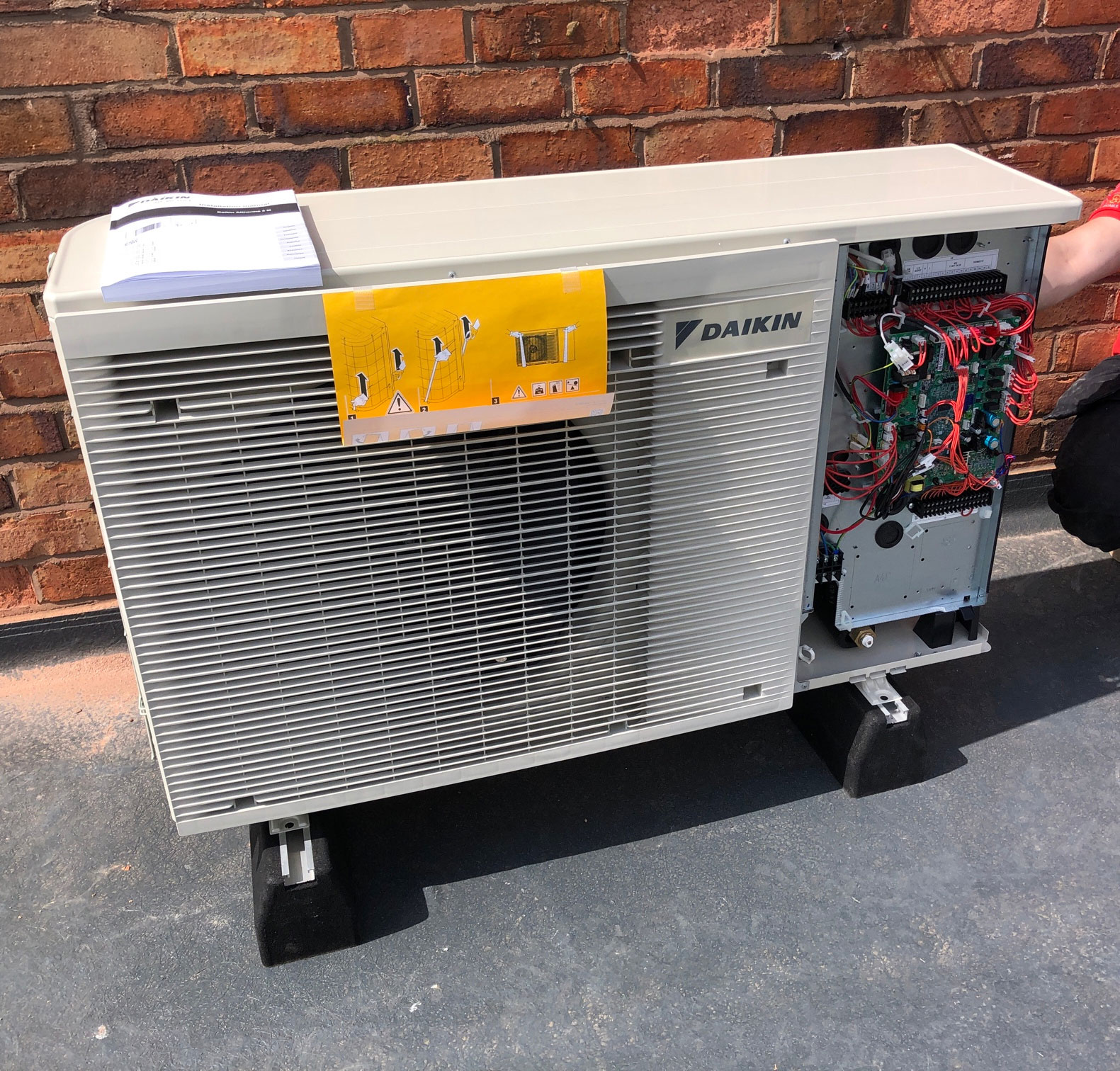
The most common retrofit option is the air source heat pump (ASHP), which extracts heat from outdoor air and compresses it to usable indoor temperatures.
Think of it as modern comfort, with lower bills and lower emissions.
Key benefits include:
- Lower running costs (especially compared to oil or LPG)
- Longer lifespan (15-20 years)
- Low-carbon heating (up to 80% less CO₂)
- £7,500 grant through the Boiler Upgrade Scheme
2. Are heat pumps suitable for older homes?
Older properties, especially those built before 1930, often have:
- Solid walls without cavity insulation
- Single-glazed windows
- Smaller radiators
- Larger rooms with high ceilings
- Lower airtightness
This can present challenges – but it certainly doesn’t rule out a heat pump.
Modern systems are more advanced, more adaptable – and more successful – than ever before. With expert design, the right upgrades, and room-by-room analysis, your older home can be comfortably heated with a heat pump.
At Prestantia Eco, we’ve successfully installed air source heat pumps in Victorian semis, rural cottages, and listed buildings, with minimal disruption and maximum results.
3. Key considerations before retrofitting a heat pump
Retrofitting a heat pump is not a direct boiler swap – but it’s more straightforward than many homeowners expect. You’ll need to assess and potentially improve several areas:
a) Insulation and airtightness
This is the most important factor. Poorly insulated homes lose heat quickly, meaning a heat pump must work harder.
Areas to review:
- Loft insulation – should be at least 270mm
- Wall insulation – internal or external options exist for solid walls
- Floor insulation – especially ground floors
- Draught proofing – around doors, windows, chimneys
- Double glazing – helpful but not essential
The better your insulation, the smaller and more efficient your heat pump can be – saving you money over time.
b) Radiators or underfloor heating
Heat pumps work best with large surface area emitters, such as:
- Underfloor heating (UFH) – especially in ground floor rooms
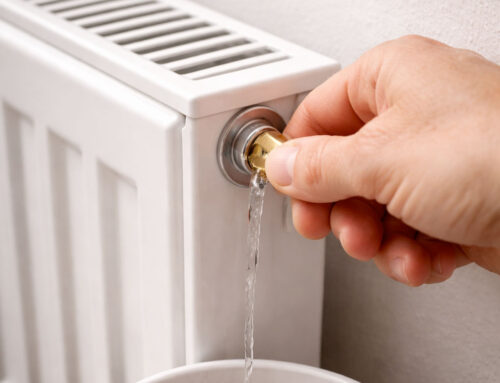
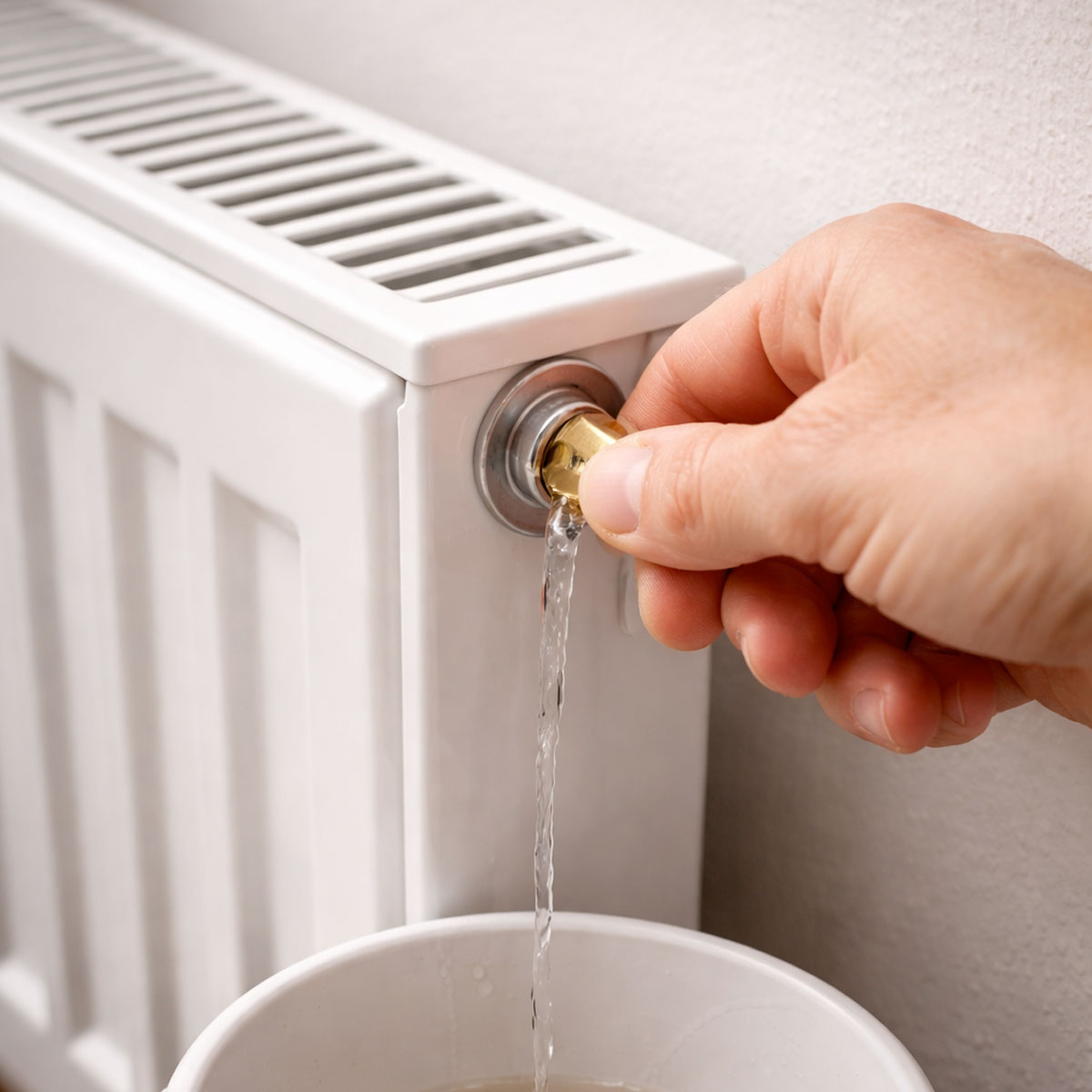
- Oversized radiators – may need to upgrade existing ones
Old-style compact radiators may not provide enough heat at the lower flow temperatures (typically 35–50°C) used by heat pumps.
The good news is you may not need to replace every radiator – just the ones that matter. We’ll calculate exactly what’s required using a room-by-room heat loss assessment.
c) Hot water cylinder
If you currently have a combi boiler, your system heats water on demand. Heat pumps, however, require a well-insulated hot water cylinder to store and deliver hot water efficiently.
You’ll need to find indoor space for:
- A well-insulated cylinder (typically 150-250 litres)
- Optional extras like a buffer tank or low-loss header for larger homes
Don’t worry – we’ll help you find the right solution for your space.
d) Outdoor unit placement
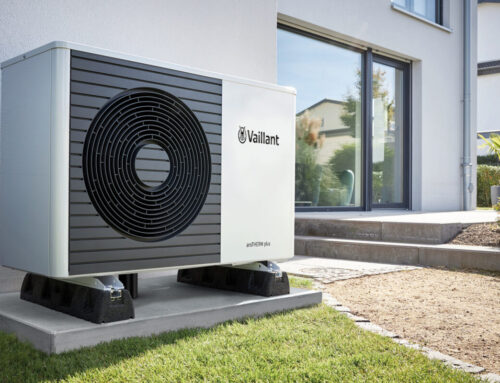
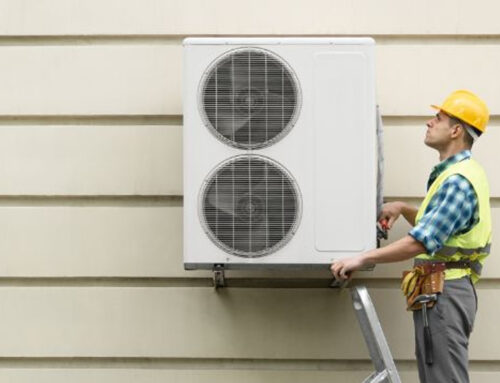
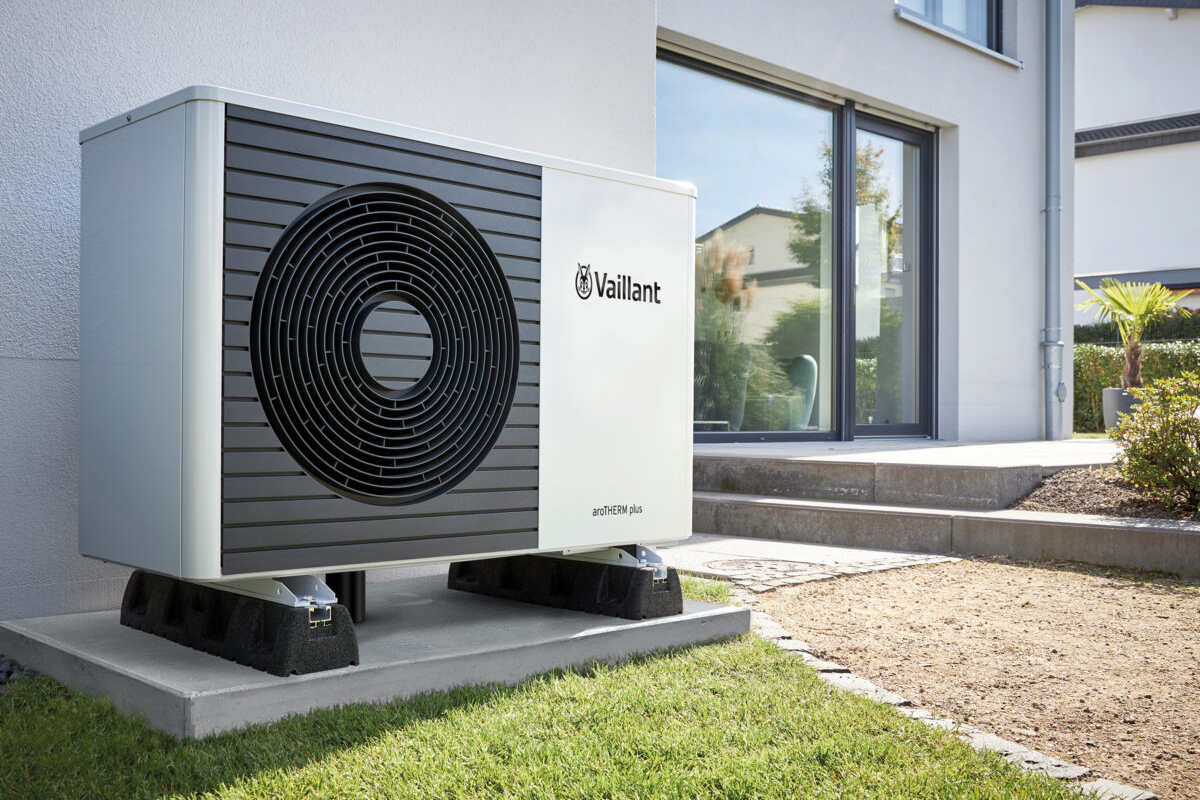
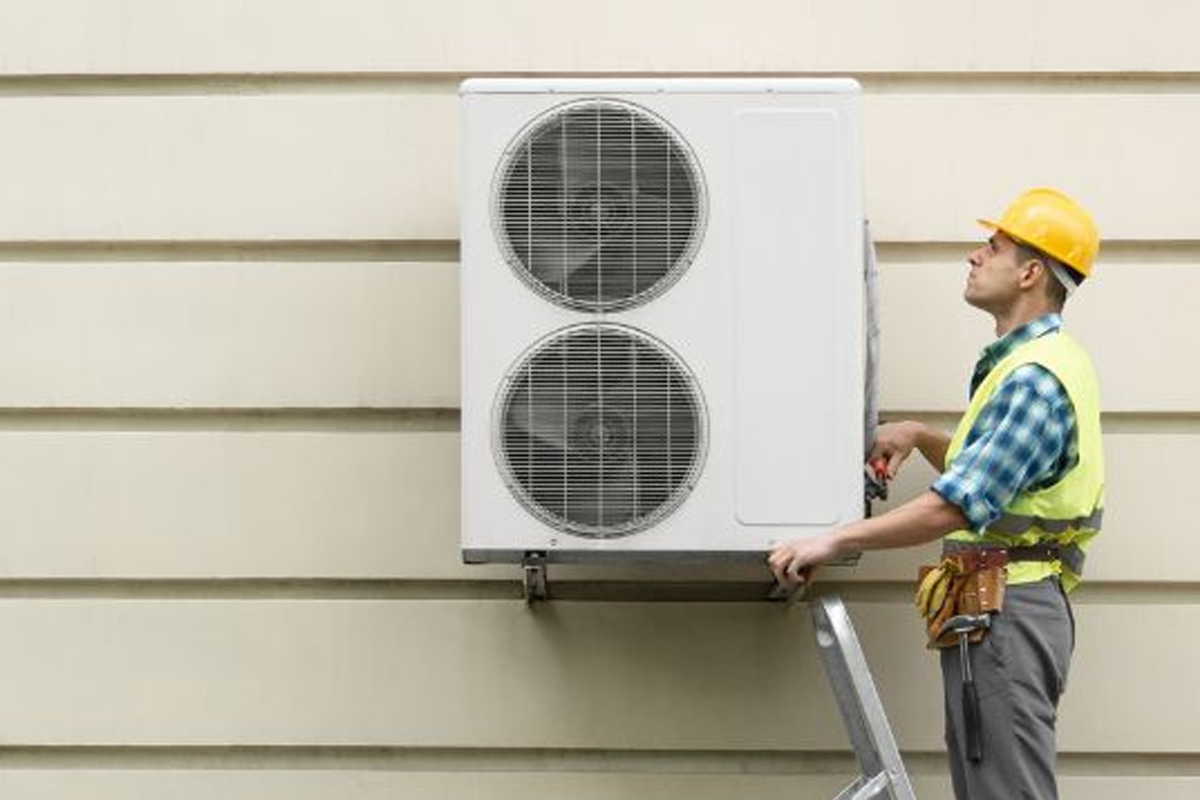
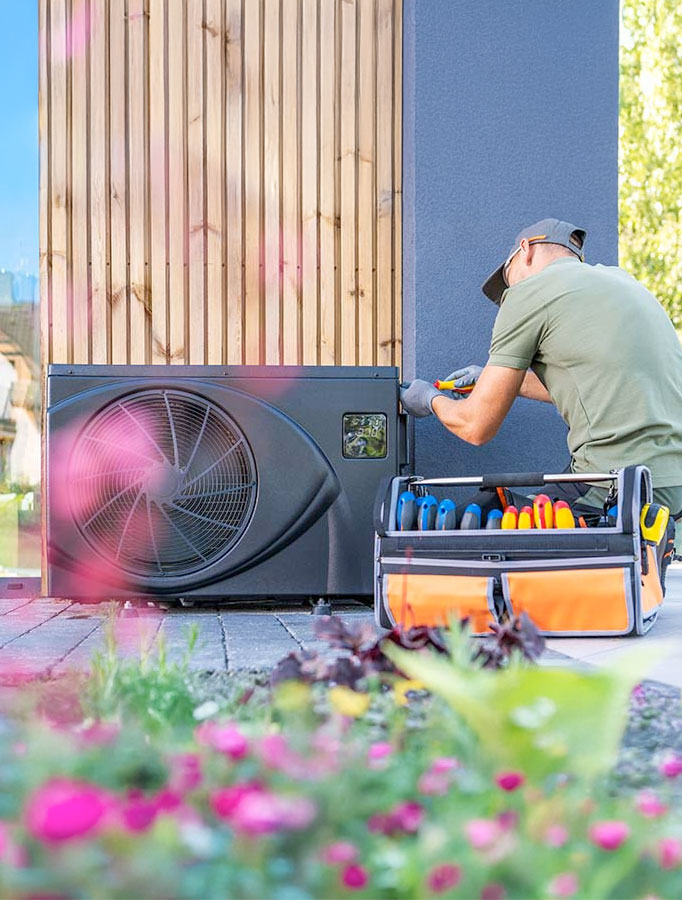
An air source heat pump includes an outdoor unit (roughly the size of an air conditioner) which must be:
- Placed on a stable surface (e.g., wall bracket or concrete pad)
- At least 1 metre from boundaries
- Accessible for servicing
- Ideally near the hot water cylinder to minimise pipework losses
If your property is listed or in a conservation area, we’ll support you through the planning process – step by step.
4. What’s the installation process like?
At Prestantia Eco, we follow a staged retrofit process designed to ensure a positive experience for older homes…
Step 1: Free home survey
We assess your current system, property layout, and insulation levels.
Step 2: Heat loss calculations
We carry out detailed room-by-room modelling to design the right system.
Step 3: Quote and grant support
We’ll help you access the £7,500 Boiler Upgrade Scheme (BUS) grant, reducing your upfront cost.
Step 4: Installation and handover
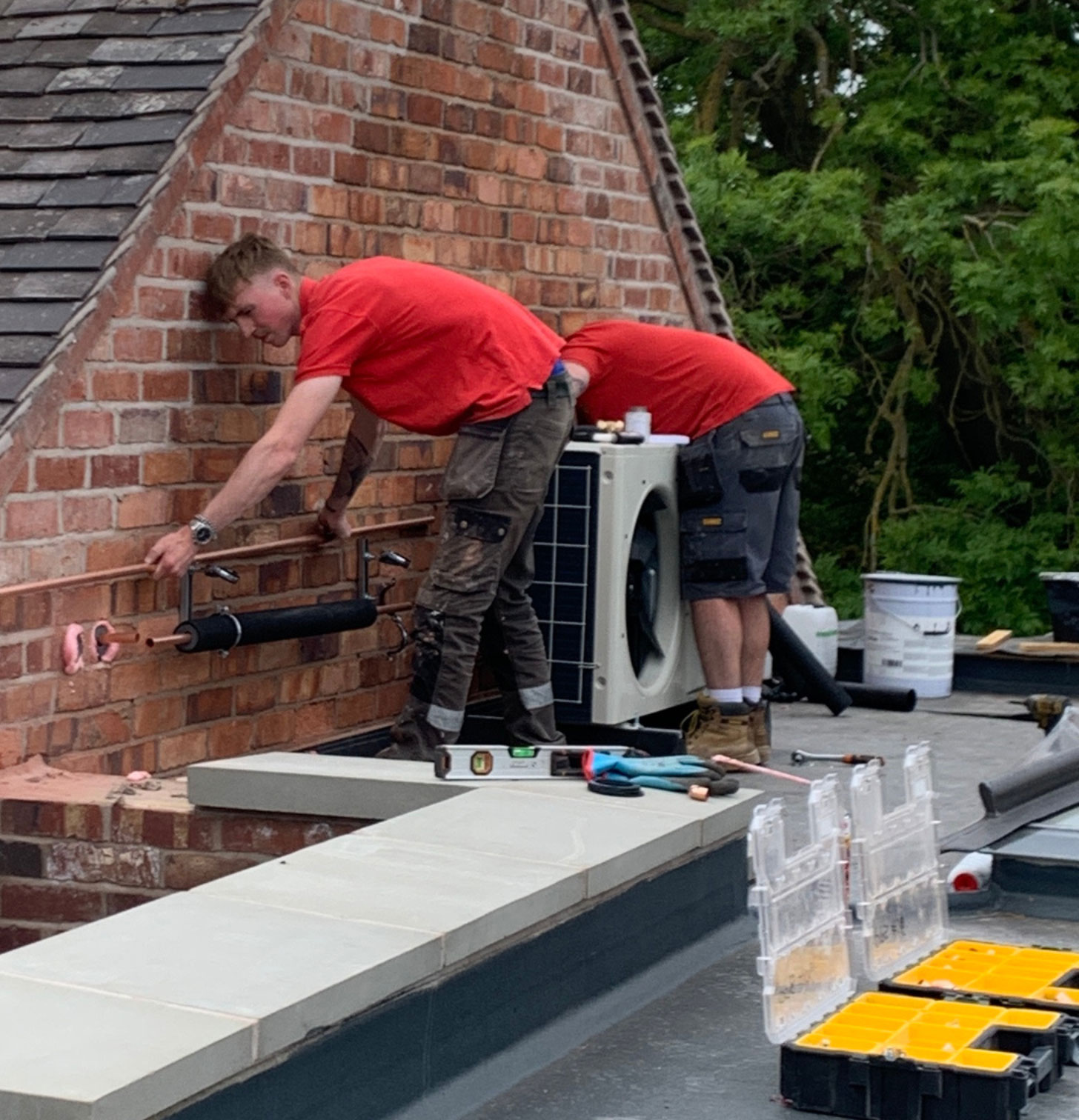
Our expert engineers fit your new heat pump system, with care, consideration and minimal disruption.
5. Costs and grants for older home retrofits
Heat pump installation costs vary depending on:
- Property size and heat demand
- Radiator or UFH upgrades required
- Hot water cylinder and plumbing works
- Access and location
For most older properties, expect to budget:
- £10,000–£14,000 total install cost
- Minus £7,500 BUS grant = £2,500-£6,500 net cost
And once installed, you’ll enjoy lower running costs – particularly compared to oil, LPG, or electric heating.

6. Common challenges – and how to solve them
| Challenge | Solution |
| Poor insulation | Add loft insulation and consider internal wall upgrades |
| Small radiators | Replace only the key ones based on heat loss results |
| No space for cylinder | Explore compact or unvented options, or create airing cupboard |
| Listed or protected building | Work with planning authorities and opt for discreet unit placement |
| Budget concerns | Staged upgrades + BUS grant + flexible finance options |
We’ve helped many homeowners turn “maybe one day” into “so glad we did it.” Let’s do the same for you!
7. Heat pumps and listed buildings – what’s allowed?
If your home is Grade I, II or II* listed, or lies in a conservation area, you can still install a heat pump but you’ll likely need:
- Listed building consent
- Planning permission (if visible external changes occur)
The good news? Rules were simplified in 2024 to make heat pump retrofits easier. Prestantia Eco is experienced in managing sensitive installations and will help you navigate permissions while respecting your home’s heritage.
8. What are the long-term benefits of retrofitting a heat pump?
Retrofitting a heat pump in an older property isn’t just a technical challenge – it’s a rewarding investment in comfort, sustainability and future energy security.
Top long-term benefits include:
- Reduced heating bills
- Lower carbon footprint
- Improved comfort and temperature consistency
- Increased property value and EPC rating
- Future-proofed against gas phase-out (2035)
- Quiet, safe and low-maintenance system
- Option to pair with solar PV or smart controls
Add solar panels and battery storage, and you could reduce your heating carbon emissions close to zero.
Conclusion: Yes, you can retrofit a heat pump in an older home – with the right plan
If you own a period property in Worcestershire or the West Midlands, you don’t have to stay stuck with gas, oil or expensive electric heating. With the right upgrades – and the right installer! – a heat pump retrofit can transform your home into a warm, efficient, and future-proofed space, while preserving its charm.
At Prestantia Eco, we specialise in tailored retrofit heat pump solutions for period homes, cottages and listed properties. We’ll guide you through every step, from survey to installation – and help you secure the £7,500 BUS grant to cut your upfront cost.