Heat pumps vs gas boilers
What’s the right choice for your home and your wallet? Our column weighs up cost, performance and long-term value in 2025.
The heating question that’s on everyone’s mind
If you’re planning a heating upgrade, the choice between a heat pump and a gas boiler is no longer just about convenience – it’s about future-proofing your home, cutting emissions, and keeping bills under control.
In 2025, with gas prices fluctuating and the UK pushing for net zero, air source and ground source heat pumps are being positioned as the long-term alternative to fossil fuel heating. But is it the right move for your property – and your wallet?
At Prestantia Eco, we install both renewable eco heating systems across Worcestershire and the Midlands. Here’s our expert guide to help you make the most informed decision.
1. What is a heat pump, and how does it work?
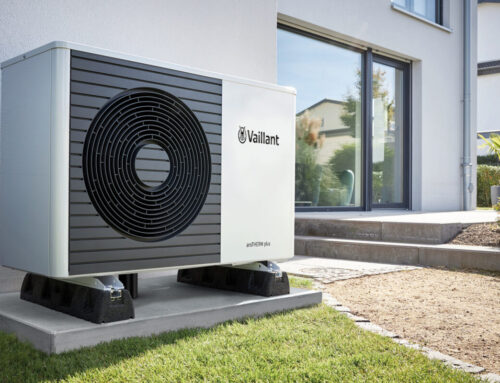
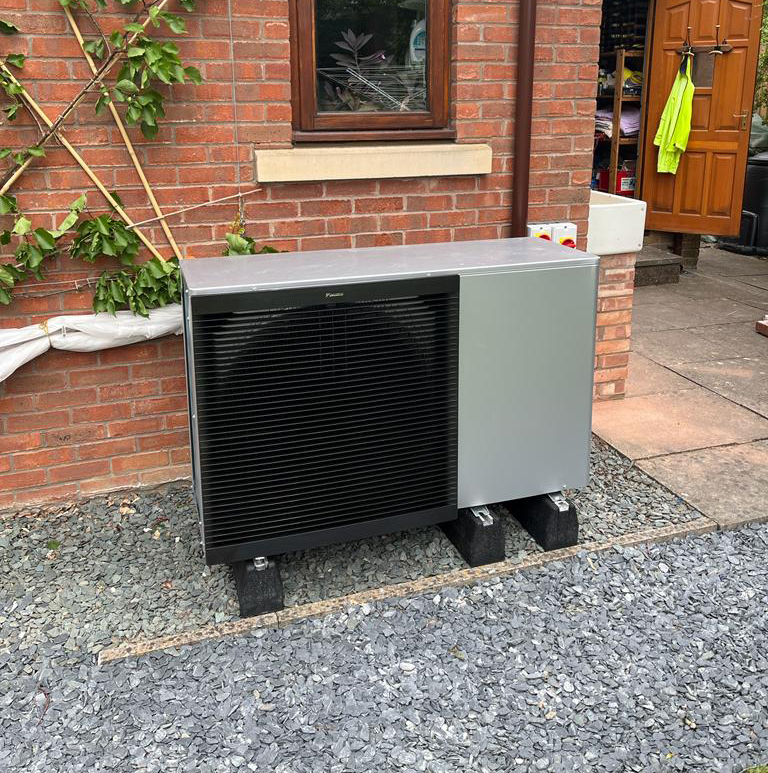
A heat pump doesn’t generate heat like a boiler. Instead, it works by extracting warmth from the air or ground outside your home and transferring it inside using a refrigerant system – a bit like a fridge in reverse.
There are two main types:
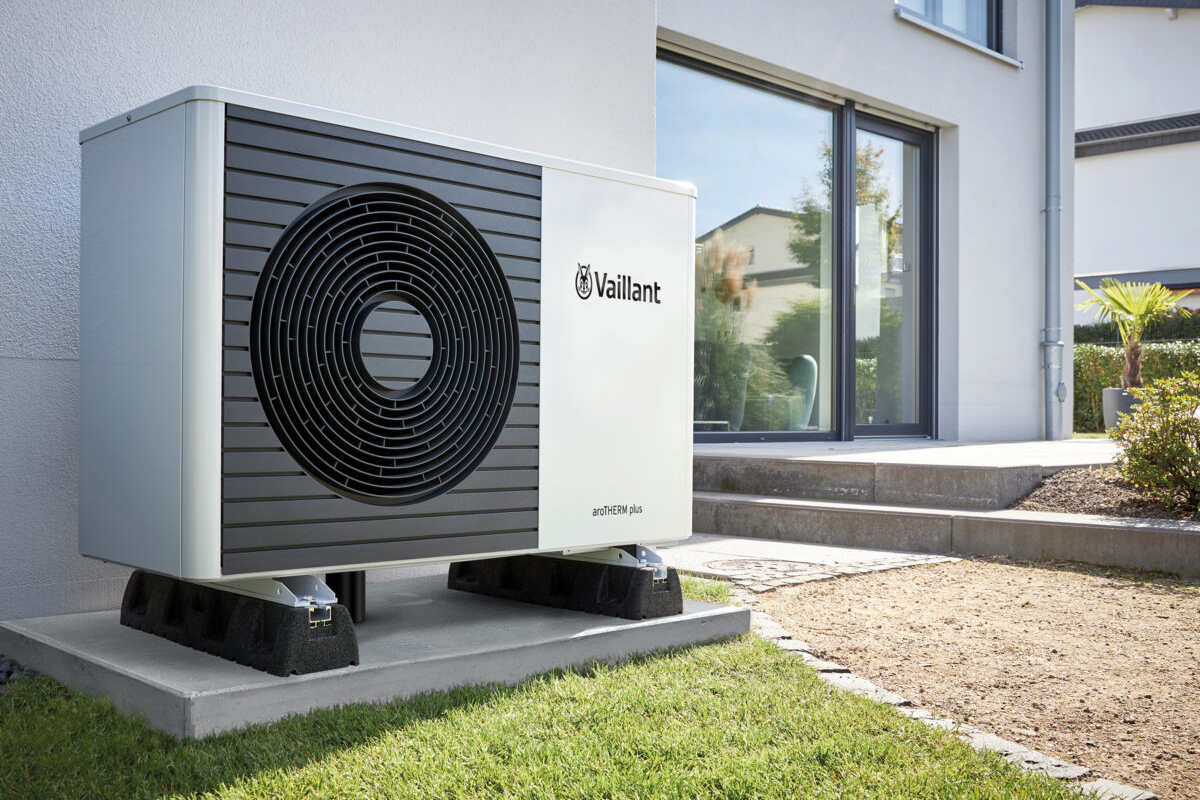
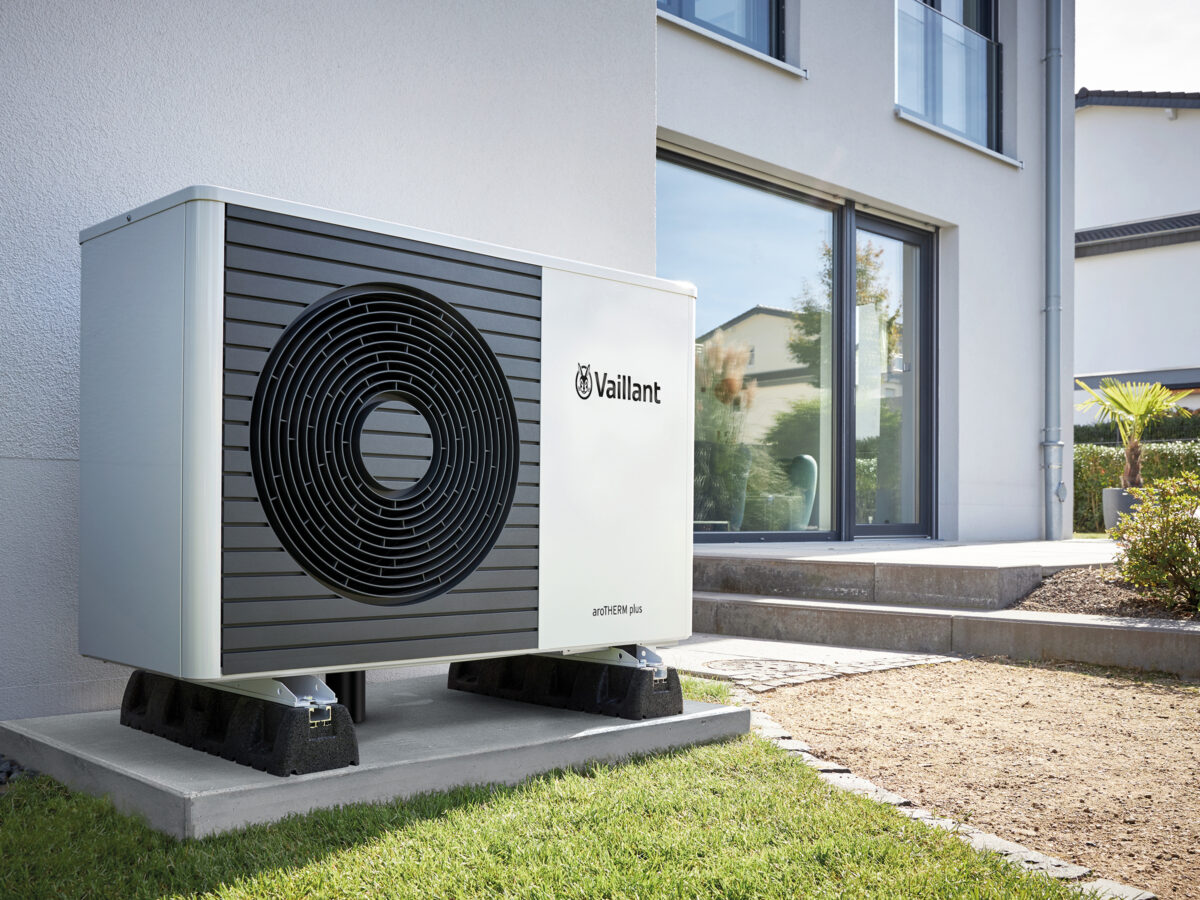
- Air source heat pumps (ASHPs): Extract heat from the air. Easier to install, suitable for most homes.
- Ground source heat pumps (GSHPs): Extract heat from the ground. More efficient but require more space and higher upfront costs.
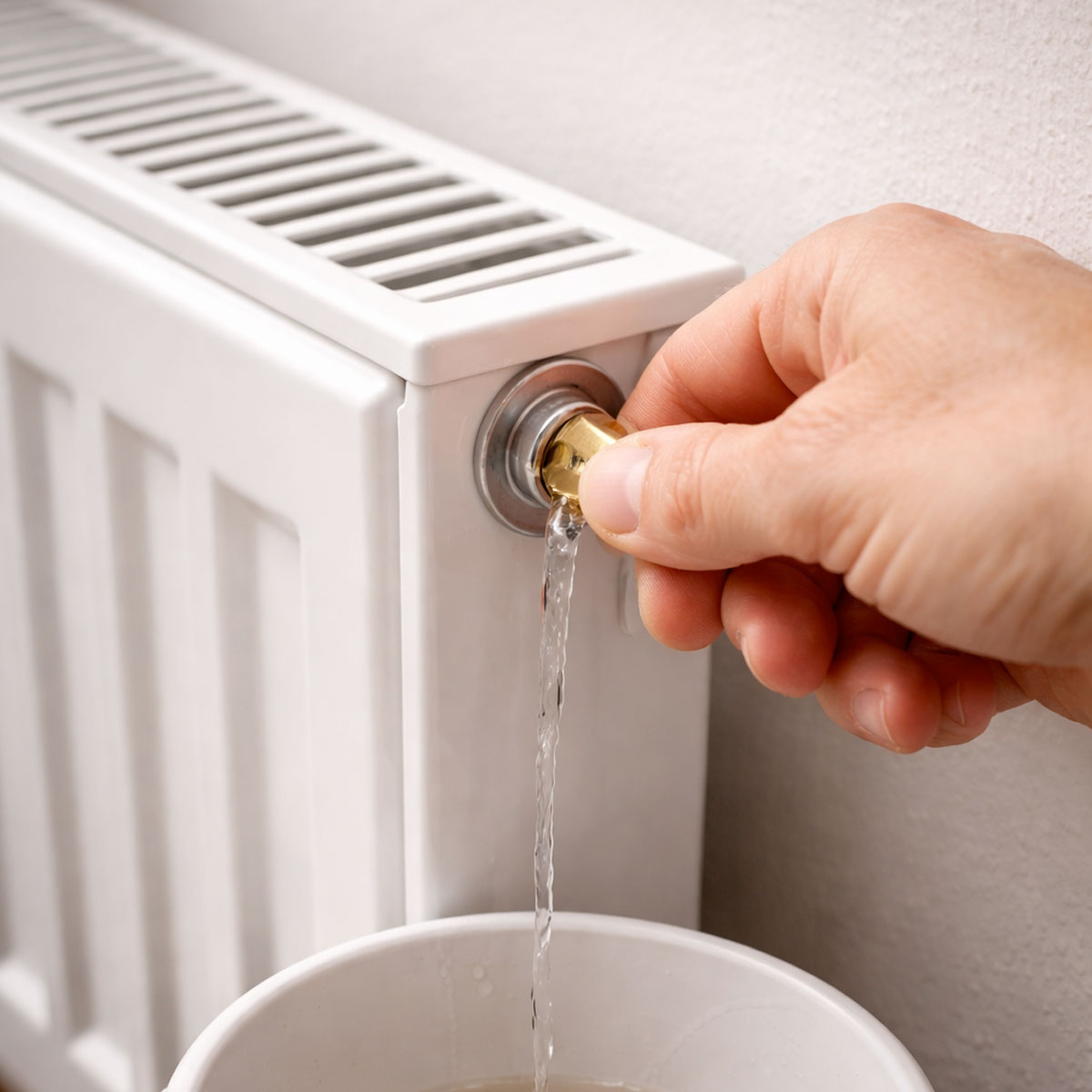
Both systems can provide heating and hot water, and operate at lower temperatures than gas boilers, making them most efficient when paired with underfloor heating or large radiators.

2. Gas boilers: the reliable choice – but for how long?
Gas boilers remain the most common heating system in UK homes. They’re efficient, relatively cheap to install, and deliver instant high-temperature heat.
However, the government has committed to phasing out new fossil fuel heating systems in homes from 2035, with earlier deadlines for off-grid homes (2026). While existing boilers won’t be banned, their long-term viability and running costs are under scrutiny.
Did you know? Some gas boilers installed after 2025 may need to be hydrogen-ready, but the rollout of hydrogen heating remains uncertain.
3. Cost comparison – upfront vs lifetime costs
| Factor | Gas Boiler | Air Source Heat Pump |
| Installation cost | £2,000–£3,000 | £7,000–£13,000 (before grants) |
| Running cost (annual) | ~£1,200 (gas bills) | ~£800–£1,000 (electricity) |
| Maintenance | Moderate (£100–£150/year) | Low (£80–£120/year) |
| Lifespan | 10–15 years | 15–20 years |
| Grants available | None | Up to £7,500 via BUS |
With gas prices remaining volatile, many homeowners are seeing heat pumps as a long-term investment, especially with grant support like the Boiler Upgrade Scheme (BUS) bringing costs down significantly.
Prestantia Eco handles BUS grant applications for you, reducing your upfront cost for a heat pump by up to £7,500.
4. Energy efficiency and carbon emissions
Gas boilers are efficient at producing high-temperature heat quickly, but they burn fossil fuel directly, producing carbon dioxide.
Heat pumps, by contrast, are far more efficient overall, often delivering 300-400% efficiency (3–4 kWh of heat for every 1 kWh of electricity used).
When powered by renewable electricity, they can be near-zero carbon in operation.
Annual carbon impact (typical 3-bed semi-detached home):
- Gas boiler: ~2.5 tonnes of CO₂
- Heat pump: ~0.5 tonnes of CO₂ (and falling as the grid gets greener)
Switching to a heat pump can cut your heating carbon footprint by up to 80% – one of the biggest single changes you can make at home.
5. Space and compatibility considerations
Heat pumps aren’t a one-size-fits-all solution. Your property’s layout, insulation and existing heating system will affect suitability.
Heat pumps may require:
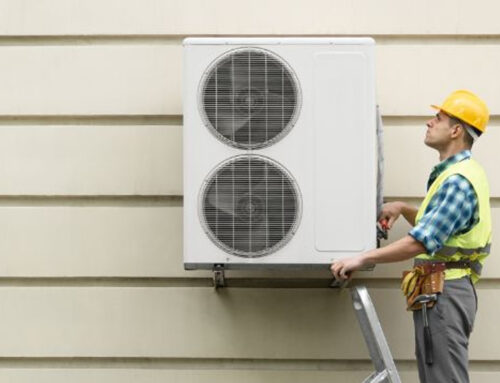
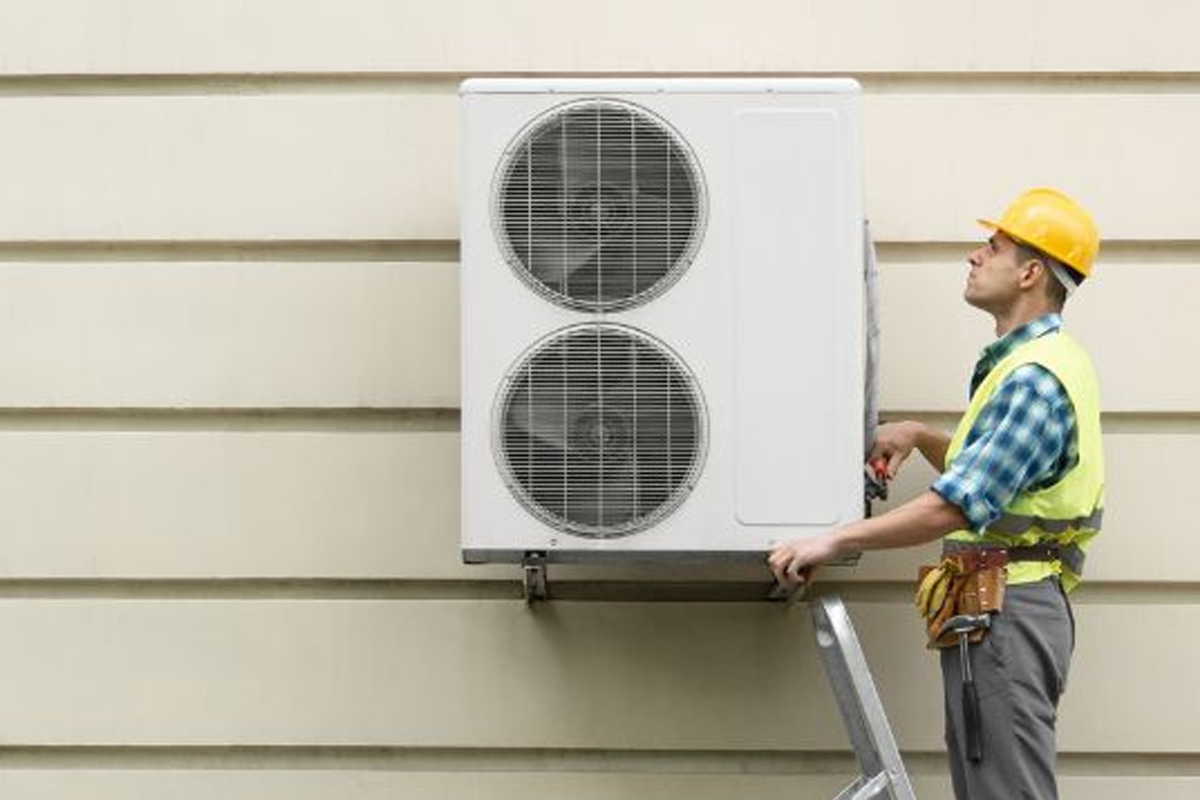
- Outdoor space for a unit (like an air conditioning box)
- Cylinder for hot water (especially if replacing a combi boiler)
- Insulation upgrades to maximise efficiency
However, modern high-temperature heat pumps can work with existing radiators and deliver hot water at 60°C+, making them a good retrofit option for many older homes.
At Prestantia Eco, we conduct a full heat loss assessment to ensure your home is heat pump ready and recommend upgrades only where they deliver real value.
6: Performance in cold weather
A common myth is that heat pumps “don’t work” in the UK winter. In fact, modern air source heat pumps are designed to operate down to -15°C or lower and are used in colder countries like Norway and Finland.
Performance may dip slightly in cold snaps, but they remain efficient – and with smart controls, can be programmed to pre-heat homes at lower tariffs.
Pairing a heat pump with smart thermostats, zoned controls or even solar PV and battery helps maximise efficiency.
7. Maintenance and reliability
Heat pumps have fewer moving parts than traditional boilers, making them generally more reliable over time.
Maintenance for heat pumps typically involves having an annual service, checking the refrigerant levels and airflow. There’s also no risk of carbon monoxide or combustion issues as there are with boilers, making them safer too.
A gas boiler will also require annual servicing, and they can be more prone to wear on important parts like heat exchangers or ignition systems.
8. Property value and futureproofing
As the UK shifts toward net zero, energy efficiency and heating types are playing a bigger role in property values and saleability.
Homes with heat pumps and strong EPC ratings are increasingly seen as future-proofed investments, particularly as gas systems become more expensive and less desirable.
Landlords are also under pressure, with Minimum Energy Efficiency Standards (MEES) requiring upgrades before 2028 for many rental properties.
So, what’s right for you?
Choose a heat pump if:
- You want to future-proof your home
- You qualify for the Boiler Upgrade Scheme
- Your home is well insulated or can be improved easily
- You want to lower your carbon footprint and energy bills
- You have (or plan to add) solar PV for even greater savings
Stick with a gas boiler if:
- Your current system is still relatively new and efficient
- You’re not yet ready for retrofit works or space changes
- You need high-temperature heating very quickly (e.g., certain older homes with limited insulation)
- You plan to move in the near term and won’t recoup upgrade costs
The best decision depends on your home, budget, and plans. Prestantia Eco offers free heating consultations to help you weigh up every factor.

Conclusion: it’s not just about today’s costs – it’s about tomorrow’s energy
The decision between a heat pump and a gas boiler isn’t just about heating your home in 2025. It’s about what that heating system will cost to run, maintain and live with in 2030 and beyond.
With generous grants, lower emissions, and future-proof efficiency, heat pumps are becoming the smart long-term choice for many homes across Worcestershire and the Midlands. And with Prestantia Eco on your side, making the switch is simpler than you think.
Book your free heat pump survey today and let’s find the best solution for your home and your wallet.